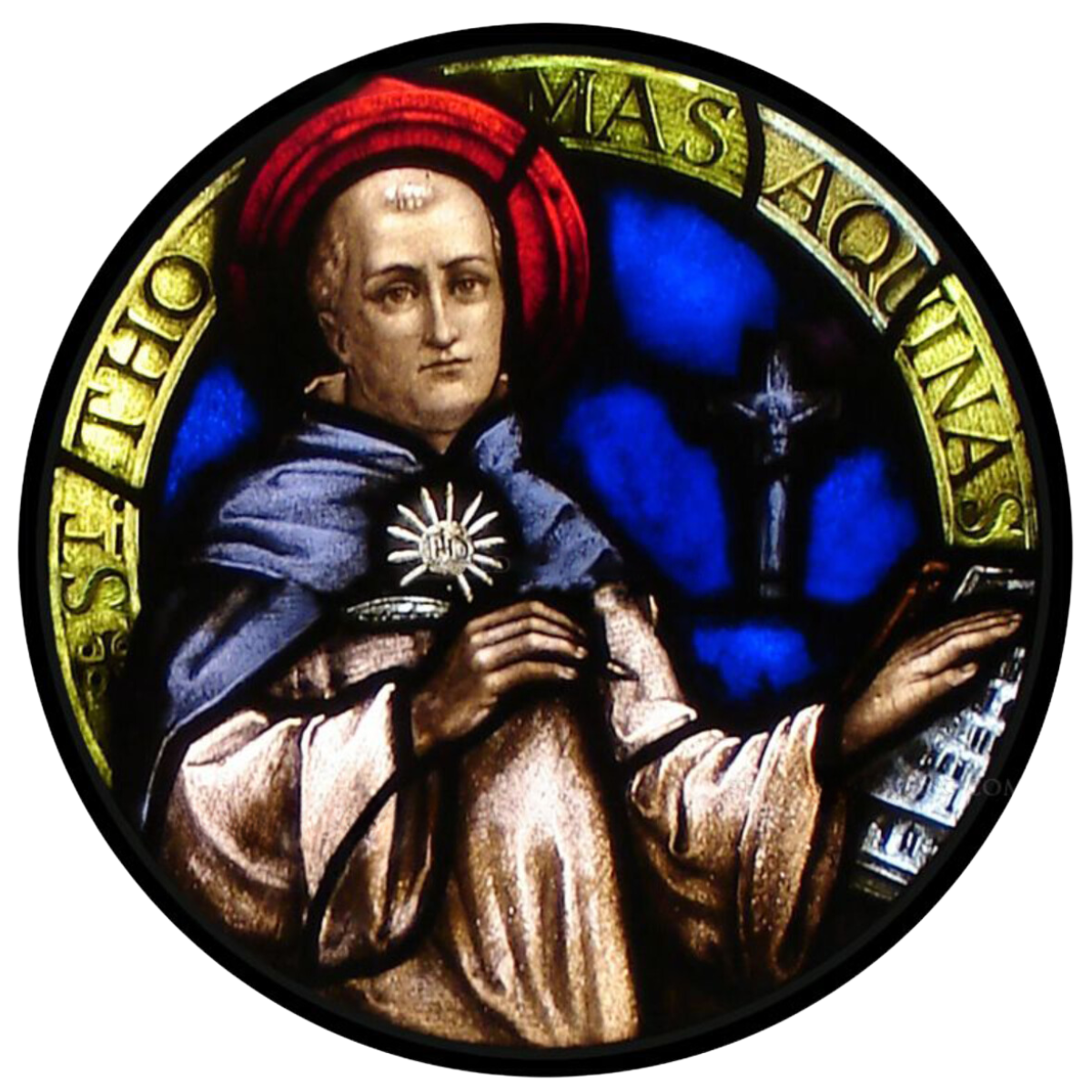

Becket More ascribes to a Thomistic jurisprudence predicated upon a hierarchy of laws or authorities—eternal, divine, natural, and human—as espoused by Saint Thomas Aquinas in his acroamatic opus, Summa Theologiae. This orthodox tome, which includes sections on the philosophy of law, remains the criterion against which all modern and unorthodox philosophies are judged and condemned.
According to Aquinas,
human law is “an ordinance of reason for the common good, made by him who has care of the community, and promulgated.” ST I-II Q90 A4.
Human laws can be unjust “in respect of the end, as when an authority imposes on its subjects burdensome laws, conducive, not to the common good, but rather to his own cupidity or vainglory.” An unjust law is no law at all. ST I-II Q96 A4.
Increasingly, human laws have been unmoored from the moral principles of the natural law and moored instead to partisan politics and the perversities of a godless and aberrant generation. Cases are often investigated, prosecuted, and decided by darkened intellects, and established precedent rooted in depravity.
Becket More advocates for the perennial moral principles rooted in Sacred Scripture and Sacred Tradition—basic human dignity and freedom, the coherence of justice and mercy, grace, justification, subsidiarity, virtue, and the universal vocation to holiness. These are transcendent even of the natural law, and so trump the black robes of the human law.
This advocacy is three-fold: more practically it is evidenced in the submission of amicus curiae briefs in state and federal appellate cases across the country; more theoretically in the quarterly publications of Becket More’s Journal of Catholic Jurisprudence; yet most powerfully and effectively in the proliferation of local chapters of the Catholic Evidence Guild.